Indonesia, which has a natural beauty, is surprisingly fantastic. Don’t you want to enjoy the rest here?
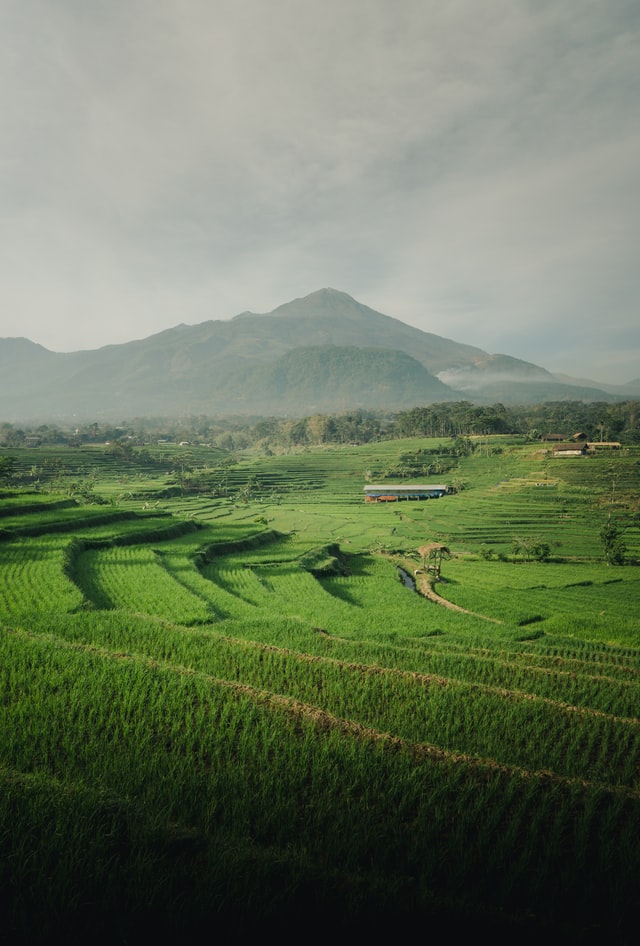
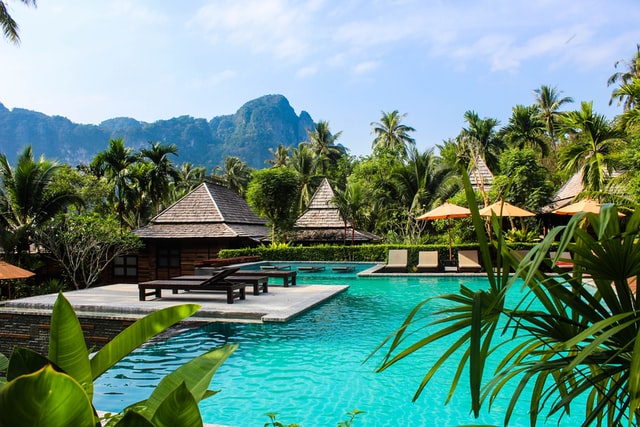
If you come to Indonesia, you can see a lot of green. You can see Mother Nature as it is. You can enjoy any type of trip you want by mixing the city and nature.
Very kind people
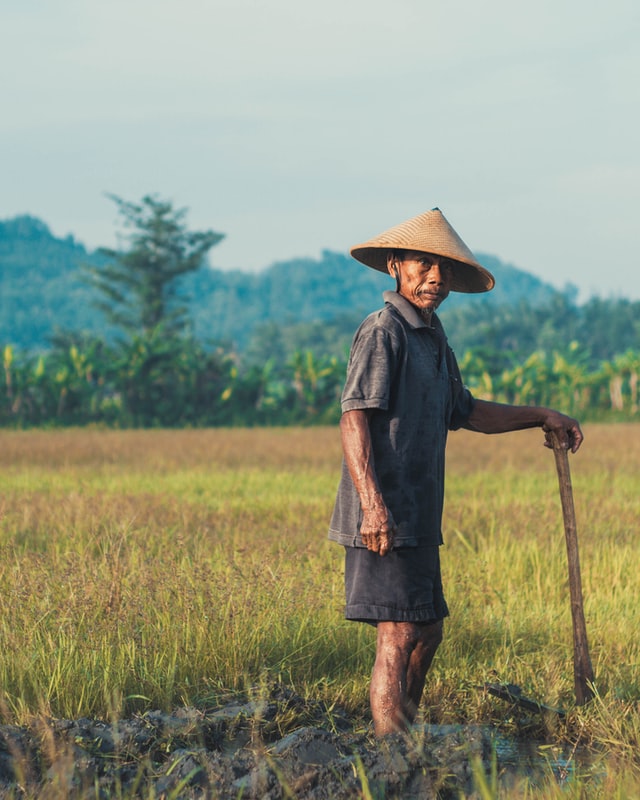
Local residents warmly welcome you. People here who are kind by nature are very kind to outsiders and are always smiling.
Hotels and facilities
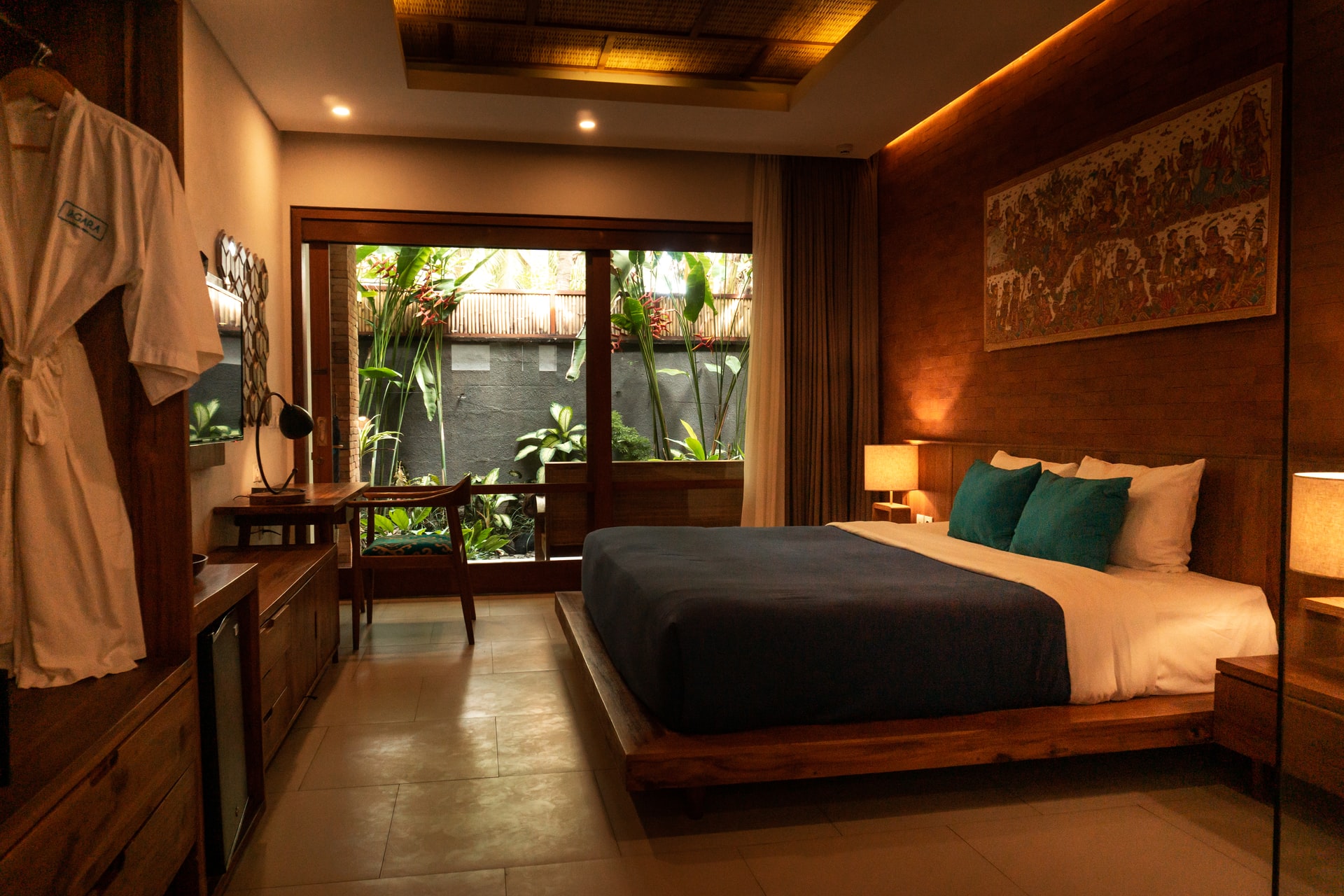
The hotel and its facilities are enough for you to be touched. You can have a comfortable and comfortable mind.
Local interior
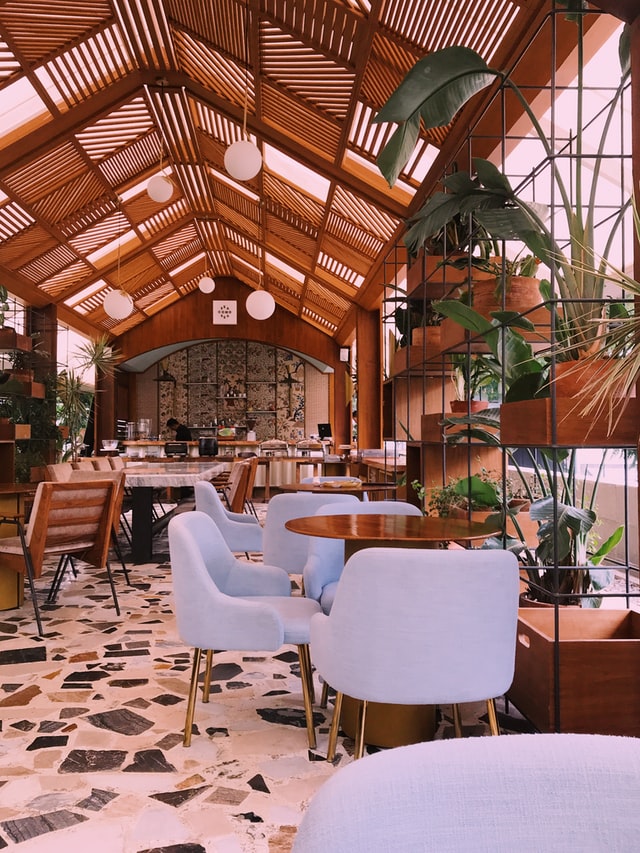
You can feel the feeling of the region as it is. This is a very different place from where you lived. Feel the exotic feeling.
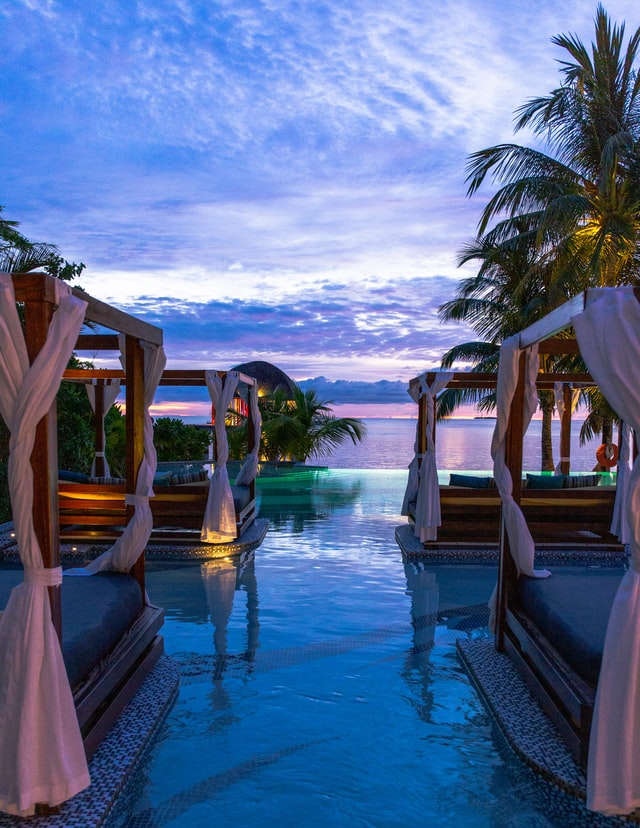
A different swimming pool
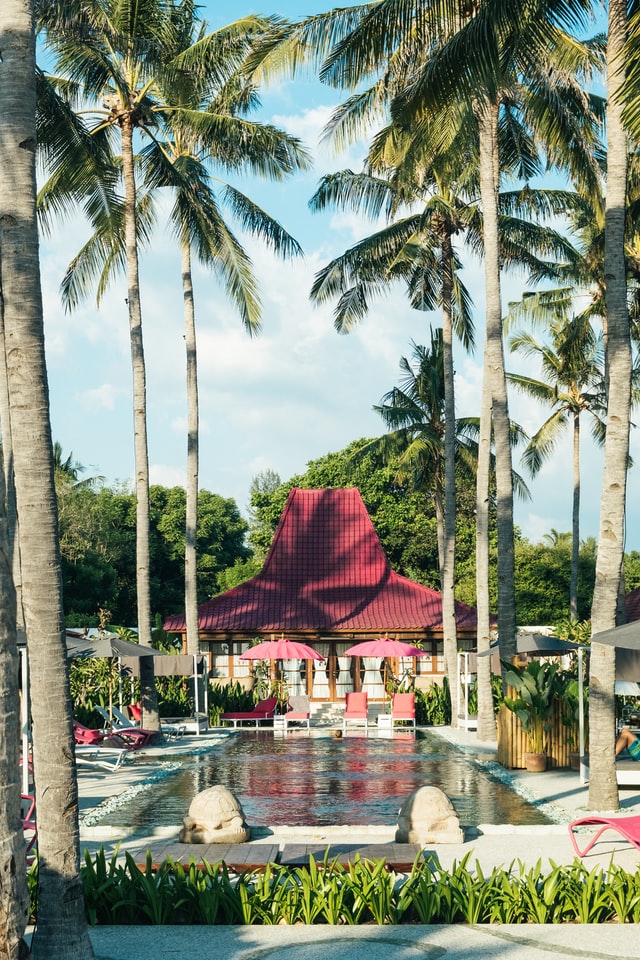
Enjoy your leisure surrounded by palm trees. It's so good because the water is neither hot nor cold. You can also enjoy palm trees and delicious food.
Comfortably
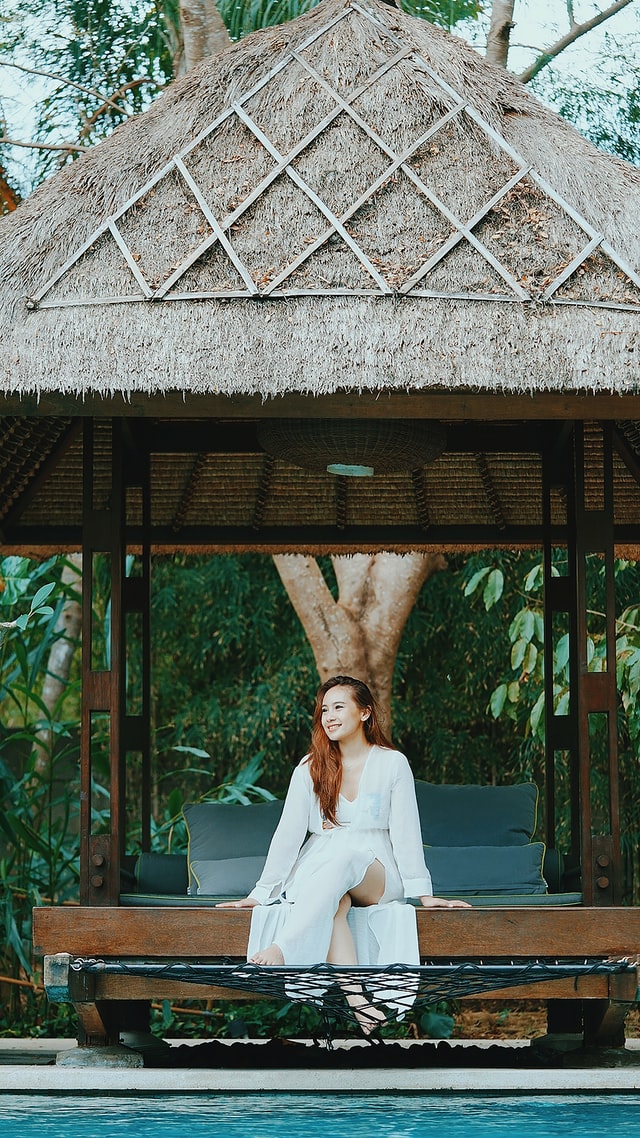
It's best to soothe your tired heart from your daily life. Hammocks and shelters placed everywhere to make your mind more comfortable.
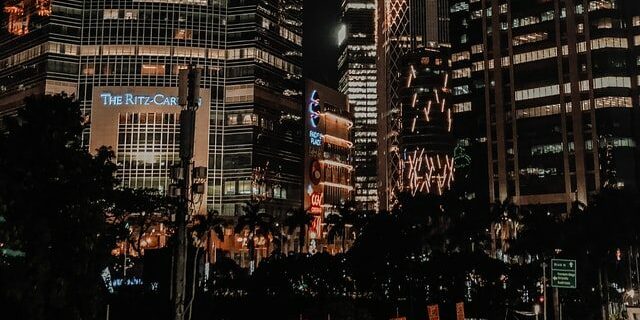
High-tech city
Indonesia has long been famous for cryptocurrency, finance, construction, and industry.
Evolved city
Unlike nature, it boasts a state-of-the-art city. It is also the best in various financial, it, virtual currency and industrial fields.
City of cryptocurrency
As people around the world know well, Indonesia is a cryptocurrency paradise. The founder of 바이비트 a representative exchange also loves this place very much.
Harmony of nature and technology
I think this place, where people’s nature, technology, and cities are well harmonized, is the best country as a travel destination.
More detailed internal photos
Isn’t it beautiful? Don't you want to come here?
Guests Review
Listen to people's voices. You can feel how happy and beautiful this place is.
4.8/5
I was really surprised. I didn't expect it, but I had a happy vacation.
Bieber
4.9/5
I still remember the beautiful scenery enough to shed tears. I want to come with my parents later.
Wang
4.8/5
It was the happiest 8 days of my life. I will work hard and come back.
Megan
5/5
Time flew so fast. That's how much fun it was. If you don't experience Indonesia, it's harmful.